AI Can Move Faster. But Procurement Still Runs on Human Decisions.

By
Fairmarkit Team
October 7, 2026
Lessons on tactical empathy, negotiation, and the human side of procurement from Chris Voss at SOAR26
AI is changing how quickly procurement teams can get work done.
Agents can help build sourcing events, analyze bids, surface recommendations, and automate work that once required hours of manual effort.
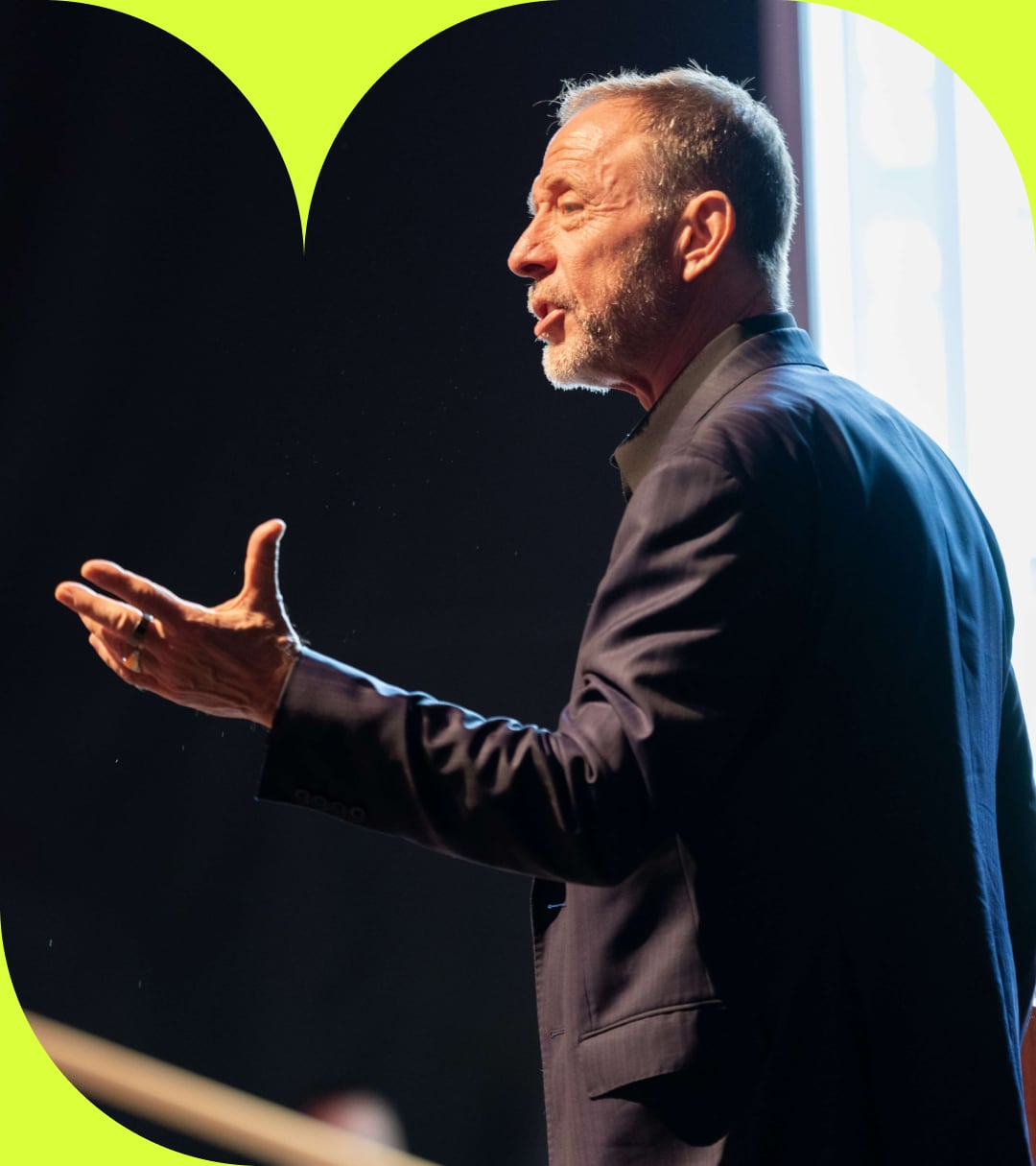
But at SOAR26, former FBI lead international kidnapping negotiator and Never Split the Difference author Chris Voss offered an important reminder:
No matter how sophisticated the technology becomes, there are still humans on the other side of the decision.
And humans have competing priorities. They worry about risk, budgets, timelines, internal politics, and what a decision will mean for them. They don't always tell you exactly what's driving their position.
AI can help us move faster. But as Voss argued, communication isn't about how well something is articulated. It's about how it's heard.
Understanding Beats Common Ground
We're often taught that the fastest way to build rapport is to find common ground.
Someone describes a challenge and we respond: I know exactly how you feel. Or we immediately share a similar experience.
The intention is connection. But Voss argues that it can have the opposite effect. Instead of feeling understood, the other person may feel like their story has been interrupted by yours.
Tactical empathy takes a different approach: focus on understanding the other person's perspective without immediately introducing your own.
That's particularly relevant in procurement.
A supplier pushing back on terms may actually be concerned about cash flow. A stakeholder resisting a sourcing process may be worried about losing control. A business unit insisting on an incumbent may be protecting a relationship or institutional knowledge that doesn't show up in the requirements.
The fastest way forward isn't always making a stronger argument. Sometimes it's understanding what the other person is protecting.
.jpg)
Stop Chasing “Yes”
Procurement is built around agreement: stakeholder approval, supplier acceptance, legal signoff, awards, contracts. So “yes” naturally feels like progress.
Voss challenged that assumption.
Questions designed to produce a yes can actually create defensiveness because people sense they're being led toward an outcome. Instead, he recommends making “no” safe.
Rather than: Do you have a few minutes to talk?
Try: Is now a bad time?
It's a subtle shift, but an important one. “No” gives people a sense of control and preserves their autonomy. Once they don't feel like they're being maneuvered toward an answer, they're often more willing to engage.
In procurement, where conversations can already contain tension, that matters. Giving suppliers and stakeholders room to disagree can surface the real objection much sooner than pushing for agreement.
Aim for “That's Right”
If “yes” isn't the goal, what is?
For Voss, one of the strongest signals in a negotiation is: “That's right.”
It means you've described the other person's situation so accurately that they recognize themselves in it.
Getting there requires something deceptively difficult: summarize their perspective—including their constraints and concerns—and then stop talking.
Don't immediately defend your position. Don't explain why they're wrong. Don't jump to the solution.
Voss illustrated the idea through one of his FBI negotiations. After months without progress, his team summarized a hostage taker's worldview back to him in detail. The response was “that's right.” The $10 million demand that had dominated the negotiation was never raised again, and the hostage was ultimately released.
The stakes in procurement are obviously different. But the principle translates.
A supplier saying, “That's right, but I still can't meet that price,” gives you something useful.
Now you can ask why.
Is it margin? Volume? Payment terms? Implementation costs? Contract length? Risk?
You're no longer negotiating against a position. You're learning what's underneath it.
AI Can Help You Prepare for the Human Conversation
One of the most relevant questions Voss received at SOAR26 was what happens when AI agents begin negotiating with suppliers.
His answer wasn't to keep AI out of negotiation. Instead, use AI to get better at understanding the person on the other side.
Voss defines empathy simply as demonstrating comprehension. AI can analyze available context and help form an educated hypothesis about someone's worldview, constraints, or concerns. Then you can test it.
And being wrong isn't necessarily a failure.If your read is accurate, you might hear, “That's right.”
If it isn't, they'll correct you—and correction gives you information. As Voss explained, once someone starts helping you understand their position, the dynamic begins shifting from adversarial to collaborative.
That's a useful model for AI in procurement more broadly. The technology provides leverage. The conversation provides context.

Faster Doesn't Have to Feel Rushed
There's an interesting tension as procurement becomes more automated.
We want AI to accelerate sourcing. But suppliers and stakeholders don't necessarily want to feel accelerated.
Voss described the opportunity as moving faster “in a way that doesn't feel accelerated” to the person on the other side. That distinction matters.
When people feel understood, they're more likely to tell you what's actually important. When you know what's important, you spend less time negotiating against assumptions. And when trust already exists, future conversations can move faster because you aren't rebuilding that understanding every time.
Speed doesn't always come from applying more pressure. Sometimes it comes from removing friction.
As AI takes on more of the mechanics of procurement, that human skill becomes even more valuable.
The future of procurement may be increasingly agentic. But suppliers, stakeholders, and decision-makers are still people.
And understanding them might be one of the most important competitive advantages we have.
Watch Chris Voss at SOAR26
Watch Chris Voss's full SOAR26 keynote on demand for more on tactical empathy, why “no” can be more powerful than “yes,” and how these techniques can help you become a more effective negotiator.

One registration gives you access to the complete SOAR26 on-demand session library.